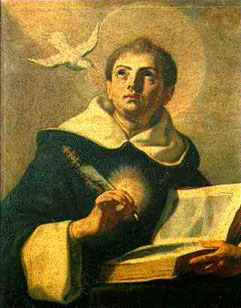
A couple weeks ago in my Christian Ethics class we were talking about Thomas Aquinas. We were [obviously] looking at his position on ethics, which I found very interesting. Aquinas believed virtue was determined by habit not by decisions made in "exceptional circumstances." Towards the end of class Dr. Browning just talked to our class, and it was a really cool moment. He just asked us to reflect on our own habits, those we think show a virtuous character as well as those we would like to change. The mood changed to a very somber and reflective mood.
After learning about Aquinas' position on virtue, I found myself agreeing with him. For a paper on the history and development of Christian ethics I wrote a section about Aquinas. Here's some of it:
“Thomas defines virtue as a ‘good quality of the mind, by which we live righteously, of which no one can make bad use, which God works in us without us.’ Virtue, he continues, ‘is a habit which is always referred to good.’ We may say, then, that virtue is a habit or disposition of the will toward a good end” (Wogaman 86). The definition of virtue is the central component to Aquinas’ Christian ethic.
The development of a virtuous life, according to Aquinas, is determined by the development of habits. Developing good, virtuous, godly habits will lead to an ethical life. He believes that living a moral life is not determined by the major decisions individuals must face, but it is about being a certain kind of person. Exceptional circumstances, which today could include the decision about having an abortion or allowing physician assisted suicide, do not make one moral or immoral. It is the habits individuals develop which determine whether they are virtuous or not.
From Aquinas I personally get the most meaning. His idea that virtue is a habit to be developed overtime, not in crisis moments, is profound I believe. I agree that someone’s morality should not be determined based on a decision they made in a crisis moment. The most applicable example I can think of is that a young unmarried couple should not be viewed as immoral and ostracized for having an abortion, which the Church overall sees as being ethically wrong for Christians. Instead, the way the young man and woman live their lives everyday should be the measuring tool for determining their morality.
In exceptional circumstances, people ask “What can I do?” Aquinas instead suggests daily we ask ourselves, “What kind of person should I be?”


